Dwyer School of Nursing Co-Hosts Fall Collaborative with Pennsylvania Association of Clinical Nurse Specialists
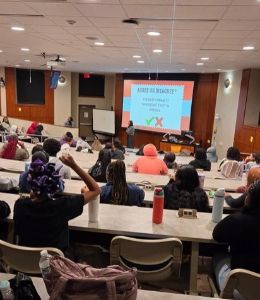
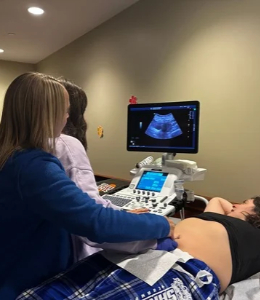
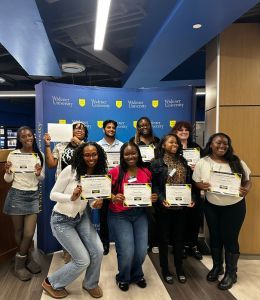
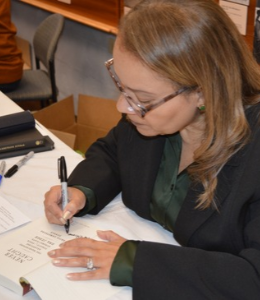
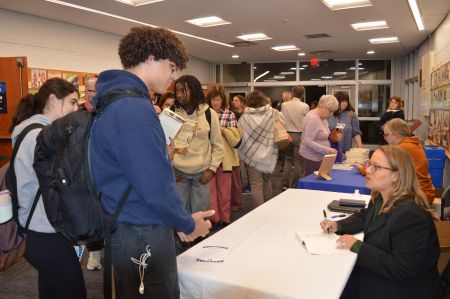
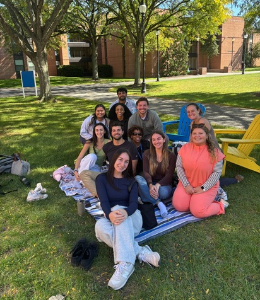
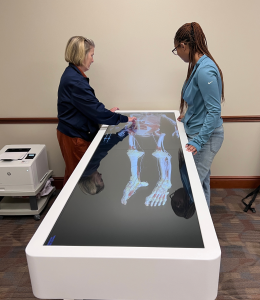
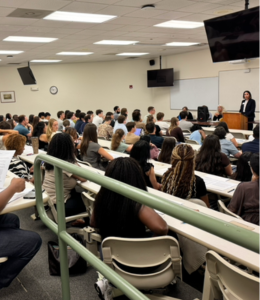
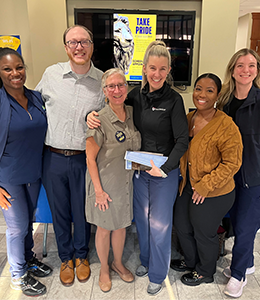
The Pennsylvania Association of Clinical Nurse Specialists, or PA-CNS, and the Jack & Nancy Dwyer School of Nursing recently co-hosted the first PA-CNS fall collaborative, a networking and professional development event.
A clinical nurse specialist, or CNS, is an advanced practice registered nurse, or APRN, who focuses on the three spheres of impact: the patient, the nurse and the health care system.
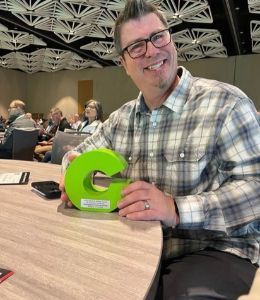
“The CNS role improves the nursing practice by reducing patient harm, optimizing care standardization processes and fostering a culture of safety through evidence-based practice and interdisciplinary collaboration,” said Michael Szeliga, a clinical faculty member and lead CNS at ChristianaCare’s Newark Campus.
“We are change agents and advocates,” said Lindsay Weaver, president of the PA-CNS, “really supporting nurses at the bedside to give the best care to patients.”
Clinical nurse specialists are one of four types of advanced practice registered nurses, along with nurse practitioners, nurse midwives and nurse anesthetists. Szeliga said CNSs receive the same advanced training in pharmacology, pathophysiology and physical assessment as other APRNs, with the added focus on the three spheres. “What honestly sets CNSs apart from other APRNs as a whole is being able to look at something from all different lenses,” he said.
It is also why Szeliga believes health systems should invest in the role. “Now more than ever, people should be investing in the clinical nurse specialist role,” he said. “Part of the role is translating best practices into the care setting with a cost-effective, innovative mindset. As a nurse for 14 years, I’ve seen that when we exemplify best practices, it means less patient harm and a return on investment for the organization.”
The PA-CNS fall collaborative began with an opportunity for students and faculty to network with professionals in the field, followed by pharmacology presentations from two clinical nurse specialists. Kelsey Miller spoke on immunotherapy for non-oncology patients and Kelly Kubisen spoke on maternal sepsis.
For Szeliga, the opportunity to connect with peers was just as important as the presentations. “It’s great to have that sense of community and sharing and learning,” he said. “It’s really nice to have those events to set some time together to learn and grow together and see how we can translate that into our practice wherever we work.”
Weaver said events like these are crucial not only for CNSs but also for students considering future careers. “We're giving back to our members, offering educational content, but not only that, we wanted to bring others in,” she said. “If students want to learn more or have never heard about the role, they can network with us. That's why I think these in-person events are so important. Collaborate, network and just spend time with each other.”
For students considering a career as a CNS, Szeliga said the variety of information they master is extremely valuable. “The skill set you learn as a clinical nurse specialist is translatable across healthcare as a whole,” he said. “There are so many different things you can do with the role to really advance and find your joy and live in your purpose.”